Add Row
Add Element
cropper
update

[Company Name]

Agility Engineers
update
Add Element
  • Home
  • Categories
    • SAFe
    • Agile
    • DevOps
    • Product Management
    • LeSS
    • Scaling Frameworks
    • Scrum Masters
    • Product Owners
    • Developers
    • Testing
    • Agile Roles
    • Agile Testing
    • SRE
    • OKRs
    • Agile Coaching
    • OCM
    • Transformations
    • Agile Training
    • Cultural Foundations
    • Case Studies
    • Metrics That Matter
    • Agile-DevOps Synergy
    • Leadership Spotlights
    • Team Playbooks
    • Agile - vs - Traditional
Welcome To Our Blog!
Click Subscribe To Get Access To The Industries Latest Tips, Trends And Special Offers.
  • All Posts
  • Agile Training
  • SAFe
  • Agile
  • DevOps
  • Product Management
  • Agile Roles
  • Agile Testing
  • SRE
  • OKRs
  • Agile Coaching
  • OCM
  • Transformations
  • Testing
  • Developers
  • Product Owners
  • Scrum Masters
  • Scaling Frameworks
  • LeSS
  • Cultural Foundations
  • Case Studies
  • Metrics That Matter
  • Agile-DevOps Synergy
  • Leadership Spotlights
  • Team Playbooks
  • Agile - vs - Traditional
April 23.2025
2 Minutes Read

OpenAI's o3 Models Reveal Discrepancies: What it Means for AI Benchmarking

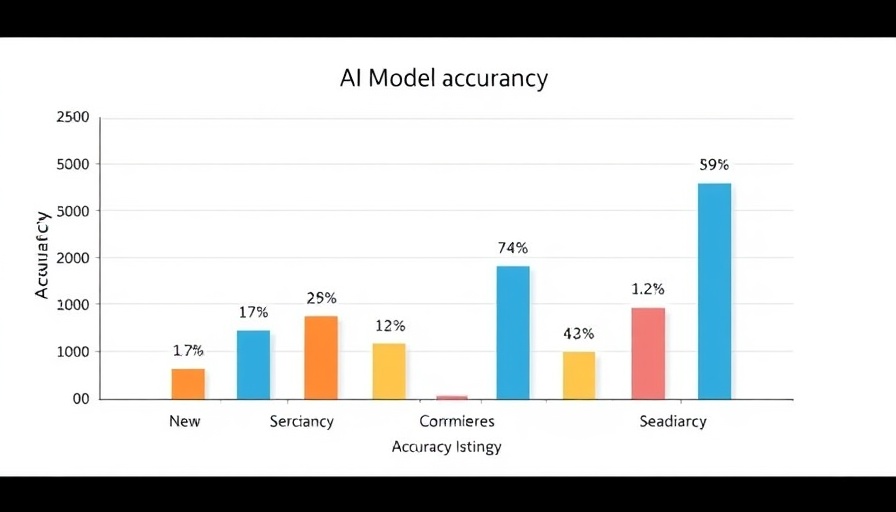
Graph displaying AI Benchmark Discrepancy in model performances.

AI Benchmarks: Why Transparency Matters

The recent performance discrepancy surrounding OpenAI’s o3 model raises critical questions about the integrity and usefulness of AI benchmarks. With the FrontierMath benchmark unveiling that OpenAI’s o3 only managed a mere 10% score instead of the claimed 25%, it highlights an ongoing issue in the AI space: the reliability of these performance metrics. As AI technology evolves, so too should our approach to benchmarking.

Understanding Benchmarking in AI

Benchmarking is akin to comparing scores in a sports league; it provides a framework for evaluating performance. However, AI benchmarks often fall short due to their narrow focus on specific tasks, as echoed in a July 2024 study that criticized the ambiguity surrounding test design. Benchmarks can misrepresent AI capabilities, leading developers and consumers to make ill-informed decisions based on inflated claims. This underscores the necessity for ongoing scrutiny, especially as new models are introduced.

The Role of Model Variants in Performance Claims

The release of differing model versions can lead to misconceptions about performance. OpenAI’s o3 went through modifications that could easily skew the test scores when compared against its impressive counterparts like OpenAI o4 and o3 mini. Therefore, it is essential for users to understand which version of an AI model is being benchmarked to accurately gauge its performance.

The Impact of Changing Metrics

Epoch AI's FrontierMath benchmark faced changes over time that directly impacted scores. The evolving nature of these tests indicates that relying solely on past performance data is misleading. As artificial intelligence continues to progress rapidly, benchmarks must adapt to encompass new challenges and complexities introduced by improved models.

Lessons for Developers: Moving Beyond Numbers

For developers and organizations leveraging AI in their processes, understanding the limitations of benchmarks is crucial. Relying for too long on a single metric can create a false sense of security. With Agile methodologies emphasizing iterative development and responsiveness, AI teams must adopt similar principles to continuously refine testing practices and performance evaluations.

Addressing Consumer Perceptions

For the end-users, such misconceptions around performance metrics can lead to inflated expectations. When companies invest heavily in AI that underperforms relative to claims, it may foster distrust in AI technology. Clear communication regarding both capabilities and limitations, coupled with transparency about benchmarking methods, can guide better consumer choices.

Path Forward: The Need for Standardization

The AI community stands at a crossroads, necessitating a move towards standardized, transparent benchmarks. Common frameworks can help ensure that comparisons remain consistent, reducing misinterpretations, and allowing stakeholders to engage more confidently with AI technologies.

By understanding complexities in AI performance metrics and their implications, developers can better adapt to the landscape, ensuring that the systems built not only meet current challenges but also set the stage for future advancements.

Agile-DevOps Synergy

40 Views

0 Comments

Write A Comment

*
*
Related Posts All Posts
12.12.2025

Training Transformation: The Growing Demand for Hands-On Learning in DevOps

Update How Hands-On Training Closes the Skills GapIn a rapidly evolving digital landscape, organizations are increasingly recognizing the value of hands-on training as a solution to critical skills shortages. With nearly 90% of businesses acknowledging significant skills gaps within their teams, the urgency for effective training methods has intensified. INE’s recent initiatives highlight this imperative as companies allocate end-of-year budgets towards experiential learning—training that goes beyond theoretical knowledge, preparing employees for real-world challenges.The Impact of AI on TrainingAs artificial intelligence continues to transform the workplace, the need for flexible and adaptive training solutions has never been more pressing. In fact, the LinkedIn Workplace Learning Report emphasizes that 74% of employees prefer experiential, hands-on learning formats that enable them to apply concepts practically. AI is now playing a pivotal role in personalizing these training experiences, ensuring that they cater to individual skill levels and learning preferences. By embracing AI-driven training solutions, L&D teams can improve competency faster and more effectively.The Shift from E-Learning to Experiential ModelsWhile traditional e-learning methods still have a place in corporate training, enterprises are increasingly shifting towards hands-on training models. Certification programs that once dominated L&D strategies are now viewed as inadequate in equipping employees with the necessary skills to excel in today’s tech-driven world. The key to addressing these evolving demands lies in the implementation of skills pathways that are richly tied to practical, performance-based learning outcomes.Benefits of Immersive Learning TechniquesOrganizations looking to improve workforce readiness are prioritizing immersive training experiences. Research shows that practice-based training facilitates knowledge retention of up to 75%, compared to just 5% to 20% with lecture-based learning. This stark difference highlights the effectiveness of experiential training methods in rapidly scaling up employee capabilities and directly contributing to organizational resilience. Initiatives from INE, such as simulation labs and adaptive learning paths, exemplify how companies can strategically invest Q4 budgets for immediate returns on workforce performance.Global Trends in Corporate LearningGlobally, corporate learning platforms are adapting to meet the demands of diverse workforces transitioning into hybrid work environments. These platforms promote a culture of continual learning, fostering engagement through integrated resources that encourage self-paced learning. As the popularity of remote work continues to rise, organizations that leverage flexible, digital-first training solutions will find themselves at a competitive advantage.Conclusion: The Future of Training is Hands-OnThe convergence of AI, hands-on training, and immersive learning experiences presents an opportunity for organizations to revolutionize their approach to employee development. As the market demands a workforce ready to tackle complex challenges, enterprises can no longer rely solely on traditional training methods. Employees and corporations alike stand to benefit vastly from embracing a holistic, strategy-driven approach to learning that integrates practical skills with evolving industry needs.

12.11.2025

Beware of Malicious VS Code Extensions: How to Keep Your Development Safe

Update Malicious VS Code Extensions: A Threat to Developers Everywhere In the evolving landscape of software development, trust in tools is paramount. Visual Studio Code (VS Code), a widely used integrated development environment (IDE), is under fire after reports have emerged about malicious extensions that target developers directly. These extensions covertly take screenshots, steal sensitive information, and even hijack user sessions. The recent exposures underline a critical need for developers to be extra vigilant about their software supply chains. The Nature of the Attack Two malicious extensions named **Bitcoin Black** and **Codo AI** were initially identified within the VS Code marketplace, masquerading as innocuous tools. The former is presented as a color theme, while the latter claims to be an AI assistant. Despite having minimal downloads, these extensions executed sophisticated attack strategies once installed. For instance, Bitcoin Black utilized PowerShell scripts to download additional payloads, enabling extensive data extraction without alerting the user. Conversely, Codo AI, though equipped with legitimate functionalities, contained malicious code that deployed an info-stealing DLL. Supply Chain Vulnerabilities and Their Implications This situation is emblematic of a broader supply chain vulnerability in the tech industry. Recent analysis has illustrated how malicious actors exploit established trust in software extensions, primarily targeting developers who may not always suspect a genuine development tool. This trust-based exploitation significantly heightens risks, as developers often work with sensitive code and data repositories. For instance, the malicious extensions not only stole personal information but also created hidden directories on devices to store stolen data, including passwords and Wi-Fi credentials. What Developers Can Do to Protect Themselves Given this backdrop, it’s essential for developers to adopt pro-active measures to secure their environments: Install Extensions from Verified Sources: Stick to extensions published by reputable developers. Conduct due diligence before installation, including checking for reviews and user feedback. Keep Software Updated: Regularly update both the VS Code IDE and its extensions. Updates often contain patches for known vulnerabilities. Use Security Tools: Leverage antivirus and security solutions that monitor and block suspicious activities on development environments. Be Wary of Unexplained Behavior: If an extension begins requesting extra permissions or behaving unexpectedly, it’s crucial to uninstall it immediately and perform security scans. Current Landscape and Future Predictions The presence of harmful extensions within a trusted marketplace indicates a troubling trend where cybercriminals evolve their strategies to infiltrate unsuspecting environments. Going forward, the number and sophistication of such attacks targeting development tools are likely to increase, necessitating significant behavioral and architectural changes in how organizations handle software deployment. Moreover, the integration of **DevSecOps** practices can enhance security by incorporating security checks into development workflows. Conclusion: Vigilance is Key In an environment where cyber threats loom larger than ever, it is vital for developers to practice caution and prioritize security. As the battle between security professionals and cyber adversaries continues, staying informed and evolving security practices are crucial to safeguarding development ecosystems.

12.11.2025

Google Play Users Set for Automatic Payouts: What You Need to Know About the $700 Million Settlement

Update Understanding the $700 Million Settlement with Google Play In a significant development for millions of users, Google is set to distribute payments stemming from a $700 million antitrust settlement concerning the Play Store. This payout covers purchases made from August 2016 to September 2023 and aims to remedy the alleged monopolistic behaviors that have affected consumers' choices and app pricing. Who's Eligible for a Payout? The settlement affects consumers across all 50 states, Washington, D.C., Puerto Rico, and the U.S. Virgin Islands. Anyone who purchased an app or made an in-app purchase on the Google Play platform during the specified period qualifies for compensation. The minimum payout per person is anticipated to be at least $2, with the possibility of higher amounts based on individual spending over the years. This means that for those who have made significant purchases, the return can be more than just pocket change. The Payment Process: Simple and Direct Google will facilitate the majority of payouts automatically. Users do not need to submit a claim form. Instead, notification will arrive through email or text based on their Google Play account details. Payments will be routed to users’ PayPal or Venmo accounts, streamlining the process significantly. For users who may have changed contact information, supplemental claims processes will ensure that everyone can get their fair share. What Does This Settlement Mean for Google? This landmark settlement doesn’t just mean a money transfer; it also forces Google to adjust its operational practices. Under the scrutiny of state attorneys general, Google must change how it manages its app store, opening the door for fairer competition. California Attorney General Rob Bonta stated, "Google took advantage of Android phone customers by limiting consumer choice, inflating prices on in-app purchases, and creating an unfair marketplace." This reshaping of policies could set new precedents that affect how digital marketplaces operate going forward. The Bigger Picture: Corporate Accountability What’s particularly striking about this settlement is the broader message it sends regarding corporate accountability. As Attorney General Letitia James noted, corporations leveraging their power to stifle competition can no longer operate unchecked. As consumers, it’s imperative to remain vigilant and demand accountability from tech giants shaping our digital lives. A Call for Vigilance: Future Implications for Users While payouts from this settlement are encouraging, the underlying issues regarding how large corporations conduct business remain a pressing concern. As Google implements changes post-settlement, users need to stay informed and engaged. This situation underscores the importance of consumer advocacy in shaping fair digital landscapes. Conclusion: Are You Prepared to Claim Your Share? As payments from the $700 million Google Play settlement are on the horizon, it's essential for eligible users to stay alert to notifications regarding payouts. This development doesn't just benefit consumers financially; it represents a shift towards greater corporate accountability. Remember, being aware of your rights in a digital marketplace matters now more than ever!

Terms of Service

Privacy Policy

Core Modal Title

Sorry, no results found

You Might Find These Articles Interesting

T
Please Check Your Email
We Will Be Following Up Shortly
*
*
*