Add Row
Add Element
cropper
update

[Company Name]

Agility Engineers
update
Add Element
  • Home
  • Categories
    • SAFe
    • Agile
    • DevOps
    • Product Management
    • LeSS
    • Scaling Frameworks
    • Scrum Masters
    • Product Owners
    • Developers
    • Testing
    • Agile Roles
    • Agile Testing
    • SRE
    • OKRs
    • Agile Coaching
    • OCM
    • Transformations
    • Agile Training
    • Cultural Foundations
    • Case Studies
    • Metrics That Matter
    • Agile-DevOps Synergy
    • Leadership Spotlights
    • Team Playbooks
    • Agile - vs - Traditional
Welcome To Our Blog!
Click Subscribe To Get Access To The Industries Latest Tips, Trends And Special Offers.
  • All Posts
  • Agile Training
  • SAFe
  • Agile
  • DevOps
  • Product Management
  • Agile Roles
  • Agile Testing
  • SRE
  • OKRs
  • Agile Coaching
  • OCM
  • Transformations
  • Testing
  • Developers
  • Product Owners
  • Scrum Masters
  • Scaling Frameworks
  • LeSS
  • Cultural Foundations
  • Case Studies
  • Metrics That Matter
  • Agile-DevOps Synergy
  • Leadership Spotlights
  • Team Playbooks
  • Agile - vs - Traditional
March 05.2025
2 Minutes Read

The Evolution of IT Operations: Transitioning from Opsgenie to Atlassian’s Unified Platform

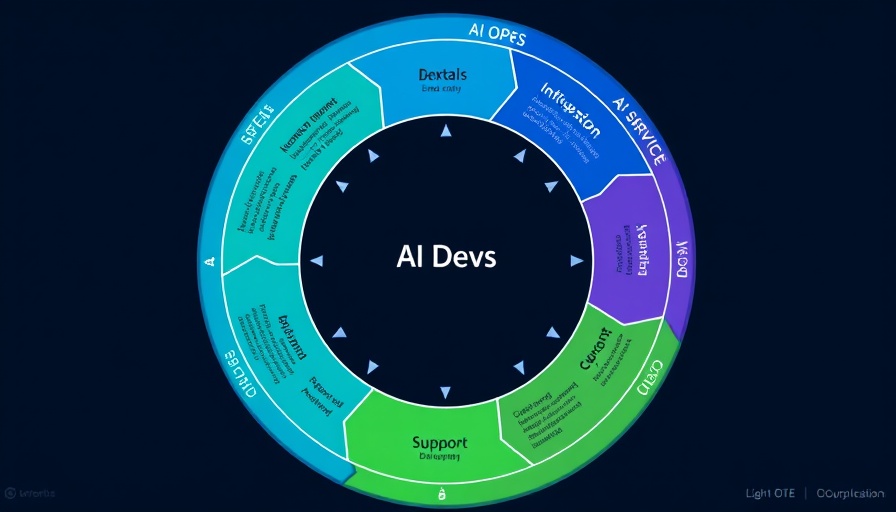
Opsgenie Integration circular infographic showing AI Dev, AI Ops, AI Service.

The Future of IT Operations: Migrating to the Atlassian Platform

In recent years, the landscape of IT operations has undergone a significant transformation, primarily driven by the need for companies to adapt to an increasingly digital world. With Atlassian's acquisition of Opsgenie, the integration of its specialized alerting and on-call management systems within the broader Atlassian platform marks an important milestone in this evolution. The aim is clear: to create a cohesive operational framework that bridges the gap between development and IT support for improved productivity and service delivery.

Seamless Integration: Opsgenie to Jira Service Management

As part of this transition, customers are encouraged to migrate to either Jira Service Management for a comprehensive incident management system or to Compass for enhanced alerting and on-call management. This dual-path approach ensures that organizations can select the tools that best fit their operational needs, be it robust service management or streamlined engineering workflows.

By integrating Opsgenie with Jira, teams will benefit from AI-enhanced features designed to prevent incidents before they occur and to resolve them more rapidly when they do arise. This not only boosts productivity but also increases service reliability, a critical factor for businesses relying on technology to meet their goals.

What’s Next: Key Migration Considerations

For those looking to make the transition, it’s important to take note of critical deadlines—specifically, that Opsgenie will no longer be supported as of April 5, 2027. After this date, all data not migrated will be permanently deleted. To assist with planning, Atlassian offers extensive resources through their community forums and a tailored migration tool to facilitate the transition smoothly.

This migration signifies a shift towards more agile practices within IT operations, aligning with the increasing demand for DevOps to merge previously siloed functions. Bringing together teams under a unified system fosters better communication and collaboration, essential elements for driving innovation in any organization.

Conclusion: Embracing Change for Business Continuity

The evolution of IT operations with the transition to Atlassian's integrated solutions presents an opportunity for businesses to enhance their operational efficiency while preparing for future challenges. By embracing these changes, organizations position themselves not only to survive but to thrive in a rapidly changing technological landscape.

Team Playbooks
Facebook Twitter

71 Views

0 Comments

Write A Comment

*
*
Related Posts All Posts
01.28.2026

Revolutionize Your Coding with Rovo Dev CLI Event Hooks: Here’s How

Update Optimize Your Rovo Dev CLI Experience with Event Hooks In the fast-paced world of software development, efficiency can make or break a project's success. For developers using Rovo Dev CLI, the introduction of event hooks is a game-changer. By allowing users to automate repetitive tasks, Rovo Dev CLI ensures developers can focus on what truly matters—their code. Understanding Event Hooks: A New Frontier Event hooks function by enabling users to define specific actions that should occur when certain events in the Rovo Dev CLI lifecycle happen. For instance, these can trigger notifications when the agent requires user permission to run a tool, or automatically lint and test your code once a task is completed. This feature not only simplifies workflows but also minimizes downtime caused by overlooked tasks. As one developer noted, "The ability to have the CLI notify me without my needing to check on it constantly is a massive productivity boost." Rovo Dev CLI can enhance usability by integrating functionalities that adapt to personal working styles. Real-World Applications: How Event Hooks Streamline Workflows Imagine being in the middle of a critical development session. The last thing you want is to interrupt your flow because your CLI needs your attention. Event hooks effectively reduce that friction. Here are some practical examples: Notifications: Set up sound alerts when the CLI needs permissions to proceed. Automatic Testing: Program the CLI to run tests and linters immediately after completing a build. Error Handling: Open logs automatically when an error is detected to quickly address issues. Such automations not only save time but also enhance collaborative efforts by keeping code quality high and engagement levels consistent. Looking Ahead: The Future of Customization Atlassian plans to expand the capabilities of event hooks, aiming to include more events and enhance their input/output functionalities. This would provide users with even richer customization opportunities, further empowering developers to tailor their environments to fit their workflows. The knowledge shared in this article reflects a trend towards more intelligent and less intrusive automation in tech—ideal for modern Agile methodologies. Conclusion and Next Steps Understanding and implementing event hooks can dramatically enhance your Rovo Dev CLI experience. By adopting these features, you can save valuable time in your development process. If you're passionate about improving your efficiency and would like to learn more about Agile principles or Rovo Dev capabilities, engaging with resources like Atlassian's Agile Playbook could be your next beneficial step.

01.25.2026

Maximizing Time Saved with AI: 5 Strategies for Professionals

Update Discover New Opportunities with AI As artificial intelligence (AI) continues to reshape our work environments, it's essential to rethink how we utilize the time it frees up. Recent studies show that knowledge workers are saving over an hour daily using AI tools. This newfound time can be transformative, giving professionals the chance to grow personally and professionally, while also enhancing team dynamics. Enhancing Team Efficiency Through AI One significant strategy is to amp up your team's AI enablement. This involves ensuring that the data used by AI systems is comprehensive and accessible. By unlocking documents and digitizing knowledge, teams can provide AI with better information. For instance, by activating AI note-taking in meetings, teams can maintain a clear record of discussions, which can help with future project workflows. Taking Initiative for Team Improvement Every minute saved presents an opportunity to improve operations. Initiatives to enhance team functions—like redesigning a workflow or upgrading unused spaces—reflect leadership and can boost morale. Forming specialized teams, like Atlassian's 'tiger teams,' can streamline processes that have long been overdue for revision. Enriching Personal Skills Outside of Work It's crucial to also consider self-enrichment. Embracing hobbies or learning new skills not only adds value to personal lives but can also enhance professional capabilities. Whether through creative pursuits or language learning, the benefits often extend into workplace dynamics and team collaboration. How to Position Yourself as an Innovative Leader By strategically using the time saved through AI, professionals can cultivate essential skills such as analytical thinking and problem-solving, which remain highly valued by employers. This proactive approach not only reinforces one’s role within a team but also positions one as a trendsetter in adapting AI for greater productivity. Valuable Lessons on Integrating AI Integrating AI should be seen as an opportunity rather than a mere trend. A balance of utilizing AI for immediate tasks while investing in long-term strategies will transform how work is approached. The key is not to get lost in the tools themselves but to focus on adjusting daily work processes to achieve sustainable improvement. As AI adoption rises, professionals who harness this technology for strategic advantage will undoubtedly emerge as leaders in their fields. Conclusion: Embrace the Change The challenge lies not only in adopting AI but in leveraging the time it saves for meaningful growth. Reflection on priorities and clear strategies will determine how effectively professionals use AI to enhance their productivity. As the landscape of work evolves, it’s a thrilling opportunity to redefine not just how we work but also how we grow.

01.24.2026

How Co-Creating AI Working Agreements Enhances Team Confidence and Clarity

Update Why AI Working Agreements Matter for Team Success In the rapidly changing landscape of workplace technology, teams often find themselves at odds over how to use new tools effectively. The advent of artificial intelligence (AI) has brought about both excitement and apprehension among employees. Not every team member feels equally at ease with AI; some are ready to innovate while others may hesitate due to uncertainty. To bridge this gap, co-creating AI working agreements can provide much-needed clarity and direction. Building a Foundation of Trust and Clarity According to a study conducted by Atlassian's Teamwork Lab, 82% of participants reported increased alignment on AI use after developing these agreements. By clearly defining who uses AI, what it's used for, and the results expected, teams can reduce ambivalence. AI working agreements not only serve to establish shared norms but also foster a culture of respect and safety, ultimately boosting team performance. Encouraging Participation and Innovation During workshops designed to create these agreements, 75% of teams discovered at least one new AI application. This collaborative spirit encourages open discussions, allowing hidden talents and innovative ideas to surface. As team members contribute their insights, the fear surrounding AI usage diminishes, paving the way for experimentation and learning. The Living Document: Adapting to Change One significant takeaway from the Teamwork Lab experiment was the nature of AI working agreements as living documents. They should evolve along with the team’s needs, reflecting updates in technology and processes. Regular reviews ensure that the team remains engaged and adaptive, promoting an environment where everyone can thrive as the AI landscape changes. Effective Tools for Empowered Teams The implementation of AI working agreements is a straightforward process. It only requires about 60 minutes for a team to create their guidelines. This time commitment yields a structured approach toward using AI meaningfully. By documenting responsibilities and expectations, teams can mitigate miscommunication and enhance operational efficiency. As one industry leader, Dave Merwin, pointed out, AI can facilitate clearer communication, ensuring that every team member stays aligned with project objectives. Final Thoughts: Shape the Future Together AI is more than just a set of tools; it symbolizes a new collaborative landscape. Co-creating AI working agreements empowers teams to navigate this territory with confidence. As the workplace continues to evolve, leaders must prioritize cohesion and clarity to leverage AI's full potential. By fostering collaboration through these agreements, teams are not just reacting to change; they are actively shaping their future.

Terms of Service

Privacy Policy

Core Modal Title

Sorry, no results found

You Might Find These Articles Interesting

T
Please Check Your Email
We Will Be Following Up Shortly
*
*
*